Auckland Pool Consent & Fencing Rules
Complete 2026 Guide (Costs, Process & Compliance)
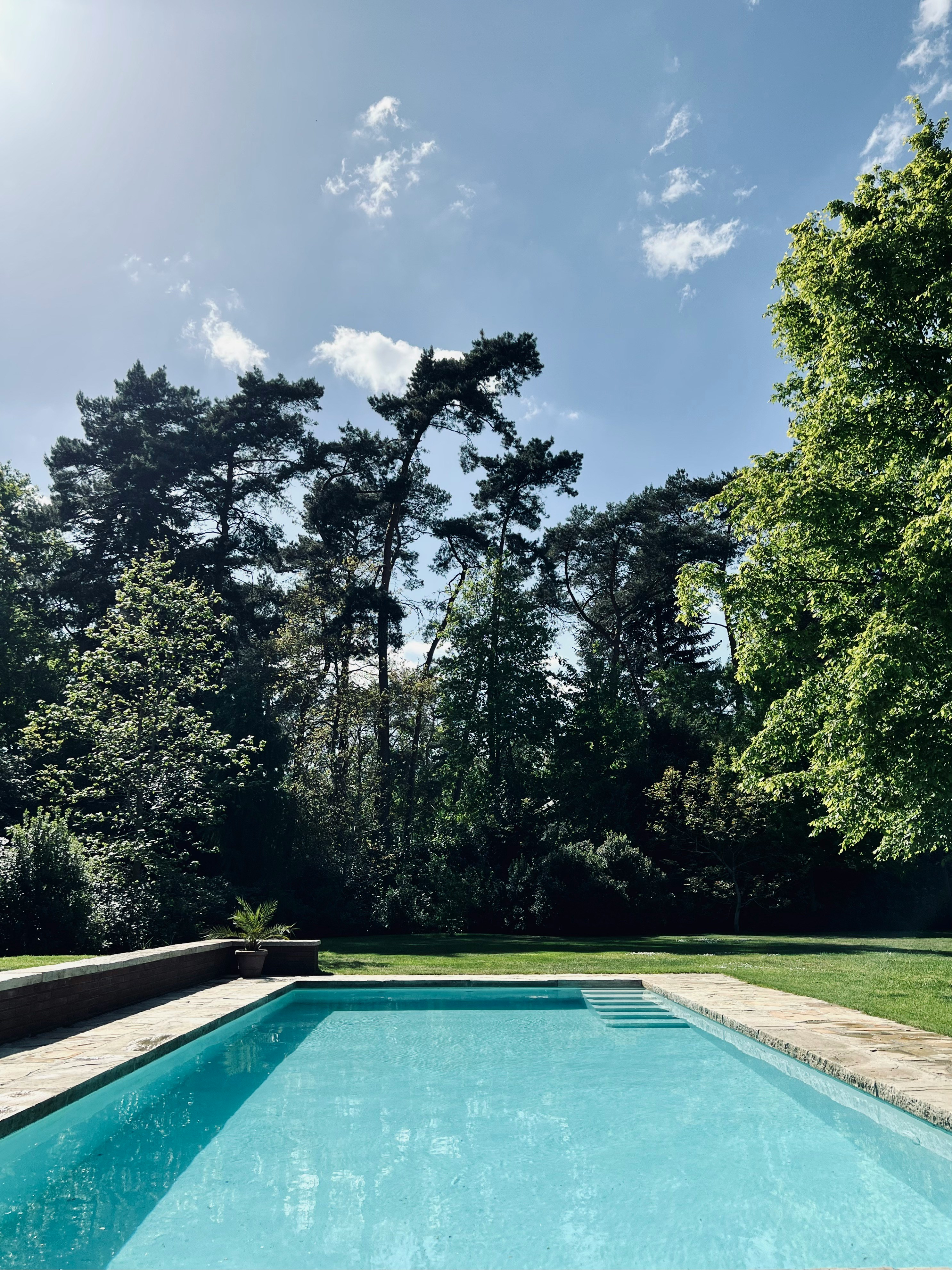
If you’re building a pool in Auckland, there are two things that will trip you up fast: consents and compliance. Most people underestimate both, and it costs them time, money, and failed inspections.
This guide breaks down exactly what matters:
When you need consent (and when you don’t)
The non-negotiable fencing rules
Step-by-step process
Real costs and timelines
The most common mistakes that cause failures
No fluff. Just what actually determines whether your pool gets approved.
1. Do You Need Building Consent for a Pool?
Building Consent Rule:
≤ 35,000L pools:
→ No building consent required for the pool itself> 35,000L pools:
→ Full building consent required (pool + barrier)
Above-ground pool exemptions (volume-based):
≤250mm above ground → ≤16,000L exempt
≤500mm → ≤8,000L exempt
≤1.0m → ≤2,000L exempt
≤4m → ≤500L exempt
2. Pool Fencing Rules (NZ Building Code F9/AS1)
Core requirements:
Minimum height (inside boundary): 1.2m
Boundary fence: 1.8m + 900mm non-climbable zone
Max ground gap: 100mm
No climbable features (plants, furniture, BBQs)
Gates must:
Swing away from pool
Self-close from any position
Self-latch
Latch ≥ 1.5m high
Not reachable by a child
Additional rules:
Glass near pool → must be safety glass (within 2m)
Doors forming part of barrier → must be alarmed or self-closing
3. When You Also Need Resource Consent
Building consent ≠ full approval.
You may also need resource consent if your pool:
Is too close to a boundary (setback breaches)
Is in a heritage or special character zone
Affects drainage or neighbouring properties
Creates noise (pool pumps)
Breaches height rules (above-ground pools)
Time impact:
Simple: weeks
Complex/notified: months+
Mistake people make:
They assume “pool = building consent only.”
That assumption can delay your project by months.
4. Step-by-Step Consent Process
1. Pre-check (Do this first)
Use:
Auckland Council pre-app advice (free 15 min)
2. Prepare your application
You’ll need:
Site plan (distances to boundaries)
Fence/barrier design (dimensions + materials)
Gate specs (latch height, swing direction)
Door/window details (if house forms barrier)
Site photos
3. Lodge with council
Pay fees upfront
Includes BRANZ + MBIE levies
4. Council review
Target: 20 working days
Clock pauses if they issue an RFI (request for info)
5. Build + inspections
Barrier must be installed before filling pool
Multiple inspection checkpoints
6. CCC issued (Code Compliance Certificate)
Confirms compliance
Starts your inspection cycle
7. Ongoing inspections
Every 3 years
Must pass or fix issues immediately
5. Timeframes You Should Expect
Stage | Timeline |
|---|---|
Building consent | ~20 working days |
Resource consent (simple) | Weeks |
Resource consent (complex) | Months+ |
Spa installation | 1–4 weeks |
In-ground pool build | 2–6 months |
Inspection cycle | Every 3 years |
6. Real Costs (Auckland)
Consents:
Barrier consent: $500–$2,000+
Total consent costs: $2,000–$5,000
Resource consent: $1,000s+ (variable)
Build:
Pool fencing: $3,000–$10,000+
Ongoing:
Inspection: $100–$300 (council)
Private inspector: varies
Penalties:
Individual fine: up to $20,000
Company: up to $60,000
7. Most Common Inspection Failures
This is where people lose time and money.
1. Gate doesn’t self-close properly
→ Must close from any position, not just fully open
2. Latch accessible from outside
→ Kids can reach through or over
3. Climbable objects near fence
→ Plants, BBQs, furniture = instant fail
4. Ground gap too large
→ Must be ≤100mm everywhere
5. Fence degraded over time
→ Compliance isn’t “set and forget”
6. No consent on record
→ Even if compliant, you may need a Certificate of Acceptance
8. Workarounds (What Actually Works)
Legitimate:
Spa pool safety cover
Only if:
≤5m² surface area
≥760mm walls
No nearby climb points
Removes need for fencing + consent
No 3-year inspections
Strategic:
Use house or boundary fence as barrier
Saves fencing cost
BUT:
Doors must be alarmed/self-closing
Strict compliance rules apply
Smart:
Stay under exemption thresholds
Avoid pool shell consent
Still need barrier consent
What DOESN’T work:
Keeping the pool empty
→ Only temporary legal workaround
→ Not practical long-term
High-risk move:
Building without consent
Requires Certificate of Acceptance (COA)
Costs more
May require demolition/exposure
9. What People Consistently Get Wrong
Blunt reality:
They treat compliance as a formality → it’s not
They under-budget fencing → it’s a major cost
They ignore resource consent → causes major delays
They design first, check rules later → backwards thinking
They assume “close enough” passes inspection → it doesn’t
If you approach this casually, you will:
Fail inspections
Delay your build
Pay twice
10. How to Do This Properly (What Actually Wins)
Check constraints before designing anything
Design barrier + pool together, not separately
Remove all climbable risks early
Over-spec your gate (this is the #1 failure point)
Get pre-application confirmation from council
Budget realistically for compliance (not just the pool)
Want a Professional View on What Pool Type Suites you Best?
Poolpal exists before you talk to builders.
Not to sell. Not to rush. Not to push quotes.
But to provide:
Independent guidance
Transparent comparisons
Clarity on cost, process, and risk
A controlled, low‑stress decision process
For families who want a premium pool built the right way, confidence comes from clarity.